

What Does “Glow” Actually Mean?
“Glow” is one of the most overused words in skincare, and one of the least understood.
Customers say they want glowing skin. But what they usually mean is:
- Even skin tone
- Smooth texture
- Healthy hydration
- Light reflection without oiliness
- No dullness
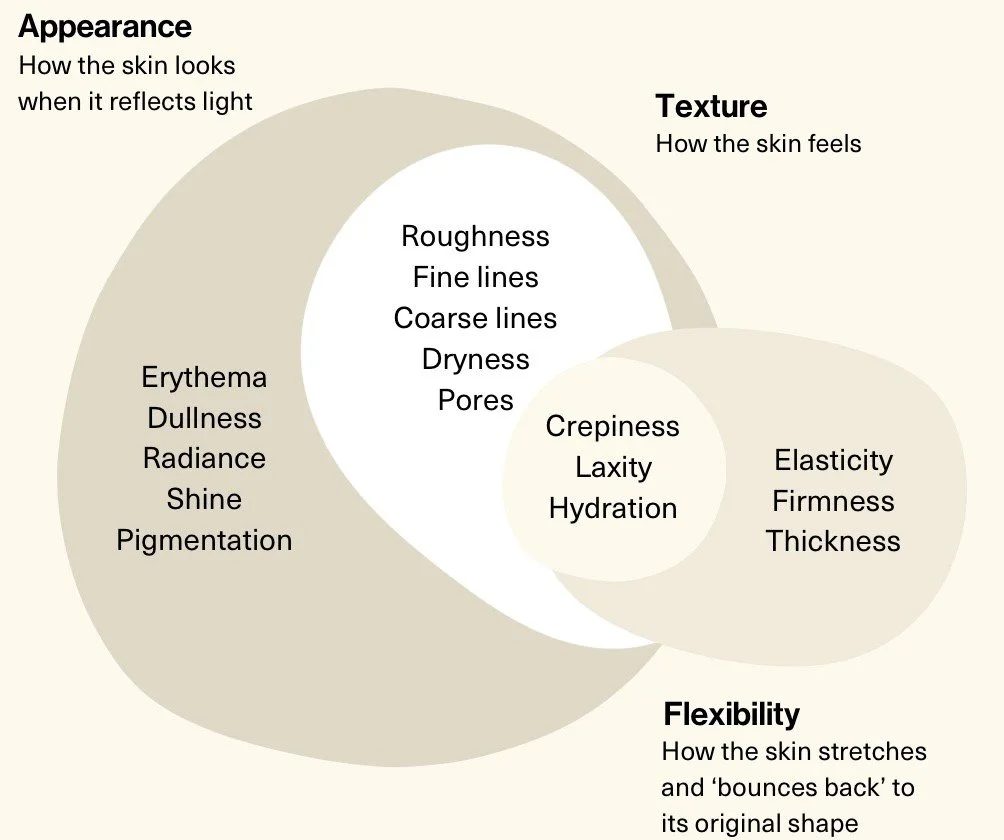
For formulators, glow isn’t magic. It’s the result of optical smoothness, hydration balance, controlled exfoliation, and pigment regulation working together.
If your product promises glow but only delivers temporary shine, you’re formulating for illusion, not radiance.
Let’s break down the real science.
1: Hydration — The First Layer of Radiance
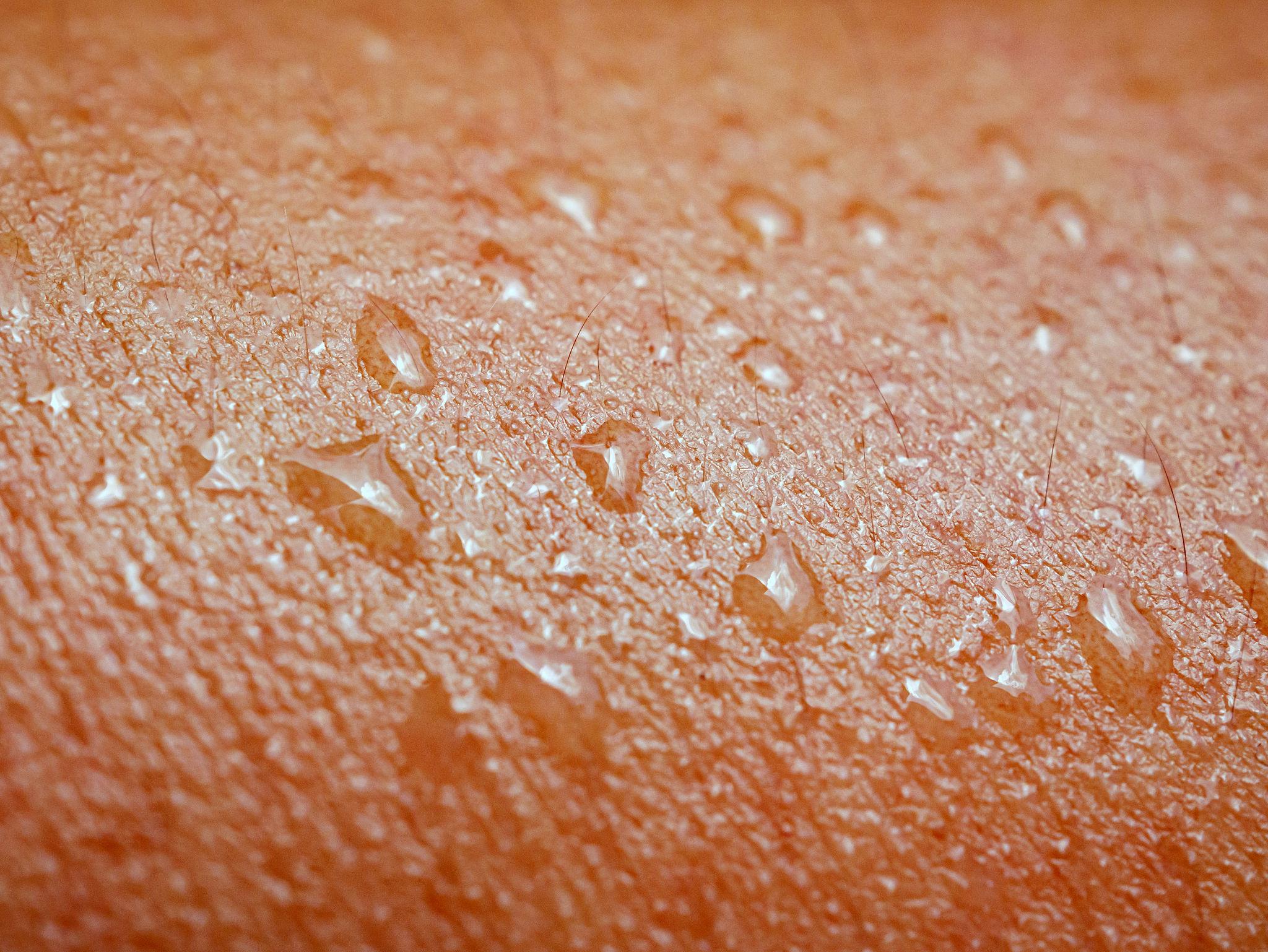
Radiance starts with water balance. When the stratum corneum is properly hydrated, it reflects light more evenly. Dehydrated skin scatters light irregularly, which reads as dullness.
Key Hydrating Ingredients & Usage Rates
The gold-standard humectant. Improves water retention and enhances smoothness.
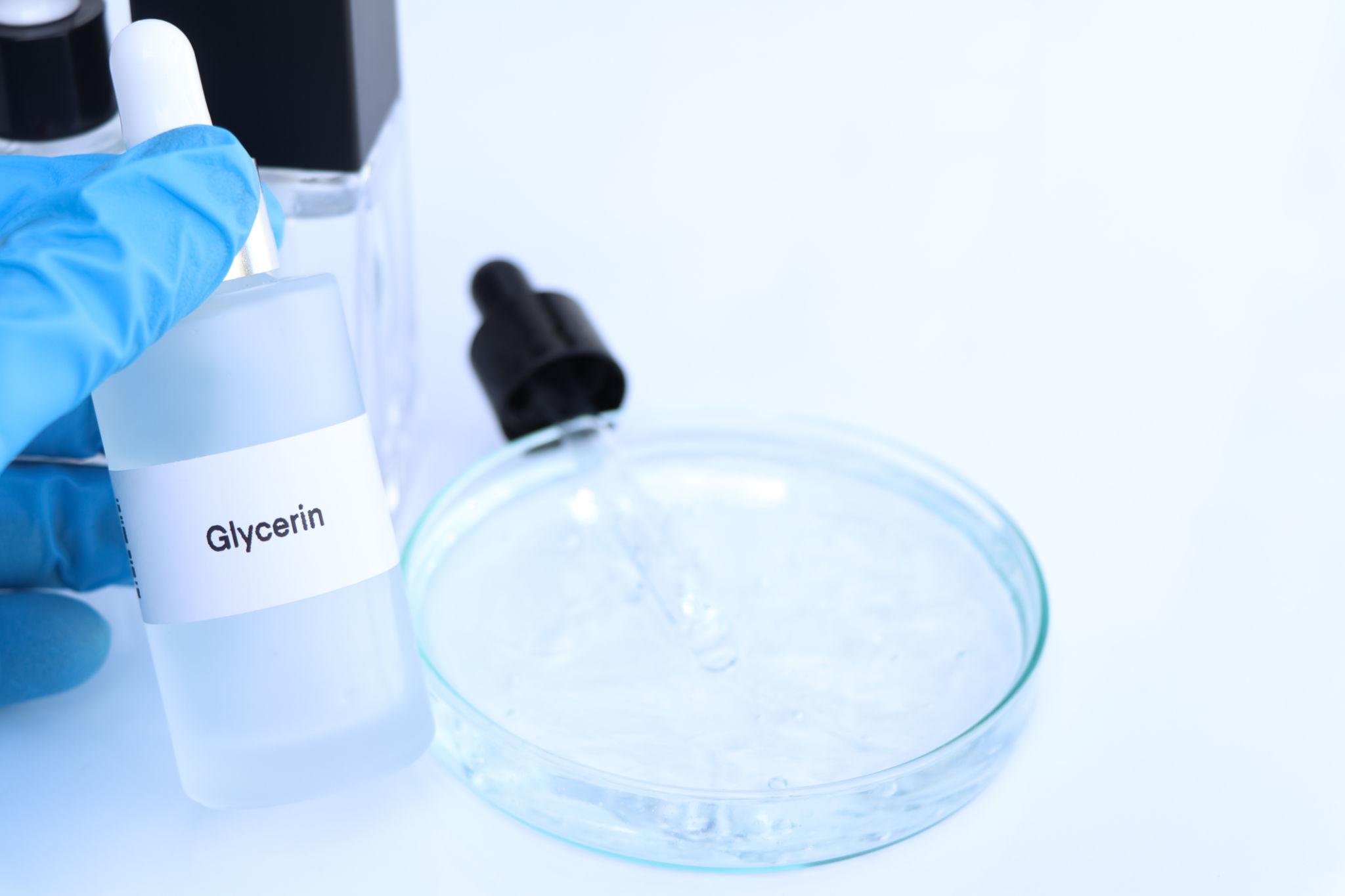
- Hyaluronic Acid (0.1–2%)
Surface and deeper hydration depending on molecular weight.
- Panthenol (1–5%)
Hydrates while supporting barrier repair.
Formulation Insight:
Glow formulas should prioritize humectants before layering actives. Without hydration, brightening ingredients underperform.
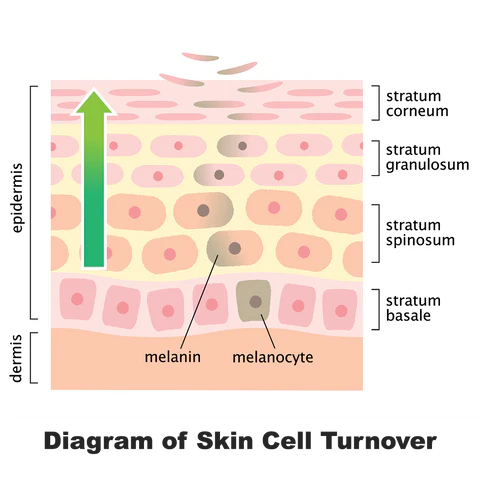
2: Controlled Exfoliation — Removing Dull Surface Cells
Dead skin buildup blocks luminosity. But over-exfoliation damages the barrier and reduces glow long-term.
Effective Exfoliating Ingredients
- AHAs (5–10% in leave-on products)
Improve texture and even tone. Ideal pH: 3.5–4.5. - Mandelic Acid (5–10%)
Gentler AHA option for sensitive or darker skin tones. - Enzymes (Papaya extract/Papain/Bromelain)
Mild, surface-level exfoliation.
Many customers complain: “My glow serum is making me peel or sting.”
That’s usually poor acid balancing or lack of buffering agents.
Formulation Strategy:
Always pair exfoliants with barrier-supporting ingredients like niacinamide or panthenol.
3: Brightening & Pigment Regulation — True Luminosity
Glow isn’t just exfoliation, it’s also pigment control.
High-Performance Brightening Ingredients
- Niacinamide (2–5%)
Regulates melanin transfer, improves tone, strengthens barrier. - Vitamin C (L-Ascorbic Acid 10–20%)
Boosts collagen, reduces hyperpigmentation, antioxidant support. - Magnesium Ascorbyl Phosphate (2–10%)
More stable derivative; gentler option. - Ascorbyl Palmitate (0.5–2%)
Oil-soluble Vitamin C ester for emulsions and oils.
Formulation Tip:
Niacinamide + Vitamin C derivatives can coexist in well-formulated systems (controlled pH).
4: Antioxidant Protection — Preserving the Glow
Radiance fades when oxidative stress increases. Pollution and UV exposure generate free radicals that degrade collagen and darken skin.
Protective Antioxidants
- Vitamin E (0.5–2%)
Stabilizes oils and enhances Vitamin C efficacy. - Coenzyme Q10 (0.1–1%)
Lipid-soluble antioxidant; excellent in emulsions and facial oils. - Green Tea Extract (1–5%)
Rich in EGCG; reduces redness and oxidative stress.
Best Combo:
Vitamin C + Vitamin E + Ferulic Acid = gold-standard antioxidant synergy.
5: Texture & Light Reflection — The Optical Side of Glow
Sometimes glow is about how light interacts with the skin.
- Silky emulsions create smoother light reflection.
- Lightweight oils like squalane reduce roughness.
- Film-forming humectants enhance luminosity temporarily.
Formulator Insight:
Texture engineering matters. A poorly emulsified product kills glow even if the ingredient list is impressive.
Common Glow Formulation Mistakes
- Too Many Actives
Stacking exfoliants + retinoids + high-dose Vitamin C overwhelms skin.
- Ignoring pH
Incorrect pH destabilizes actives and increases irritation.
- Over-Exfoliating
Short-term shine, long-term barrier damage.
- Forgetting Barrier Support
No barrier = no sustainable glow.
The “Glow Matrix” — How to Build a Radiance Routine
| Step | Function | Ingredients |
|---|---|---|
| Gentle Cleanse | Remove buildup | Mild surfactants |
| Hydrate | Smooth light reflection | Glycerin, HA |
| Brighten | Even tone | Niacinamide, Vitamin C |
| Protect | Prevent dullness | CoQ10, Vitamin E |
| Seal | Lock in moisture | Ceramides, Squalane |
Glow is cumulative, not instant.
Glow Is Health, Not Highlight
True radiance is a sign of:
- Balanced exfoliation
- Stable pigment regulation
- Strong barrier function
- Controlled inflammation
For formulators and DIYers, the goal isn’t to chase shimmer, it’s to engineer skin clarity.
When hydration, exfoliation, pigment control, and antioxidant protection align, glow becomes inevitable.
