

Description
Kojic Acid – A Proven Skin-Brightening Active That Targets Pigmentation at the Source
Kojic Acid is a well-established cosmetic active widely used in professional skincare formulations for its ability to visibly brighten skin and reduce the appearance of hyperpigmentation. Originally discovered as a by-product of fermentation processes involving Aspergillus species, Kojic Acid has a long history of use in Japanese skincare as a gentler alternative to hydroquinone.
In topical formulations, Kojic Acid works by inhibiting tyrosinase, the key enzyme involved in melanin production. By slowing this pathway, it helps fade dark spots, sun damage, post-acne marks, and uneven skin tone over time. Its dual action as both a melanin inhibitor and antioxidant makes it especially valuable in brightening and corrective skincare designed for dull, uneven, or sun-stressed skin.
Kojic Acid has been extensively studied and is recognized in dermatological literature for its effectiveness in addressing pigmentation concerns when formulated correctly and used at appropriate concentrations. It is commonly incorporated into serums, creams, lotions, soaps, and targeted spot treatments.
Technical Information
INCI Name: Kojic Acid
Origin: Japan
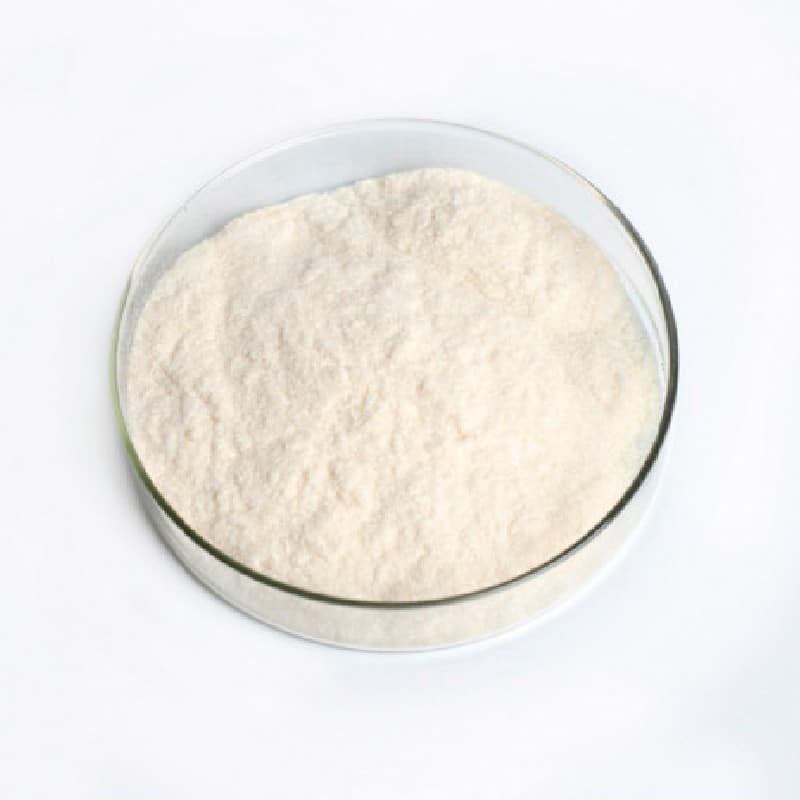
Appearance: Pale off-white to light golden crystalline powder
Purity: 99.5%
Solubility: Water soluble
Recommended Usage Rate: 1–3%
Formulation Phase: Add to the water phase at 25–40 °C
Performance & Benefits
-
Inhibits tyrosinase activity to reduce melanin production
-
Helps fade hyperpigmentation, dark spots, and discoloration
-
Brightens overall complexion and improves skin clarity
-
Supports treatment of sun damage and uneven skin tone
-
Provides antioxidant support against environmental stressors
-
Suitable for leave-on and rinse-off cosmetic formulations
Pro Tip
Kojic Acid is both pH-sensitive and oxidation-prone, so it performs best in gently acidic formulations that mirror the skin’s natural pH. For optimal stability and efficacy, formulate within a pH range of 4.5–5.0. This helps prevent discoloration, oxidation, and loss of performance over time. Start at the lower end of the usage range, especially for sensitive skin products, and increase gradually based on stability testing and skin tolerance. Avoid over-stacking multiple brightening actives in a single formula to reduce the risk of irritation and instability. Consider the use of antioxidants, and chelators such as Sodium phytate. It also works well with Ferulic acid (low %) Avoid high-pH actives in the same formula (e.g. strong niacinamide systems, soaps, alkaline cleansers) Use air-tight, opaque packaging.
Disclaimer:
For cosmetic formulation use only, not for internal or medical applications. Because many of our ingredients are naturally derived, slight variations in colour or texture may occur.
At Skin Foodie, we believe that what goes into your formulations should be as pure as what goes into your body. That’s why we source only ingredients that meet exceptional standards of purity, performance, and safety. Remember: not all ingredients are created equal, the same name or CAS number does not guarantee the same quality.

Nseobong Tommy (verified owner) –
Ehita Adedokun (verified owner) –
Efe Tobore (verified owner) –